

Culture
Quiet Luxury Through a Regional Lens
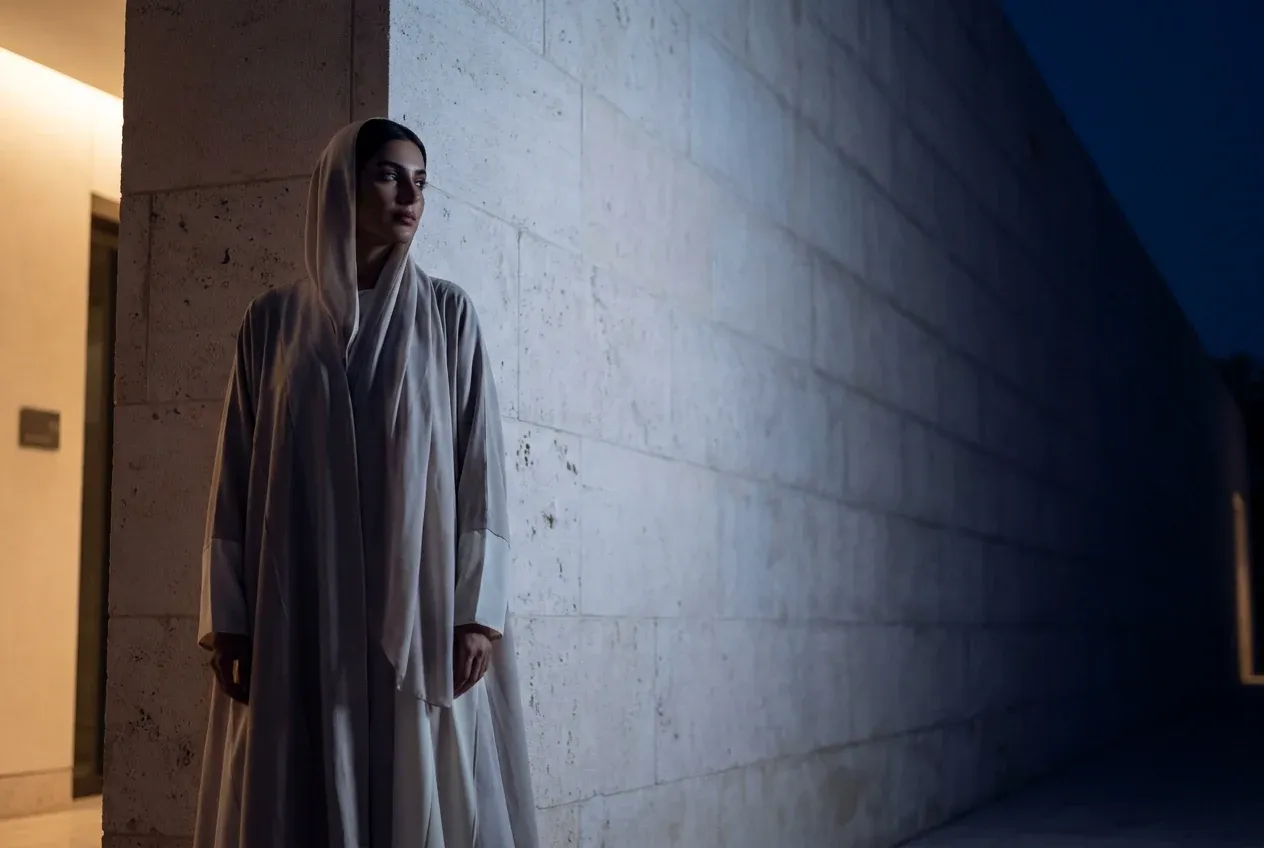
For the past few years, “quiet luxury” has been treated as a discovery — a fashion mood defined by muted palettes, fine materials and the absence of logos. It is usually told as a European story. But restraint as a form of elegance is not new, and it is not owned by any one place. Seen through a regional lens, from the Gulf, quiet luxury reads less like a trend and more like a description of something already deeply understood.
Restraint was never foreign here
Modest dressing has always been, at heart, an exercise in restraint — in what is withheld as much as what is shown. Its elegance lives in line, drape and proportion rather than in exposure or ornament. That is precisely the vocabulary the wider fashion world has recently rediscovered and renamed.
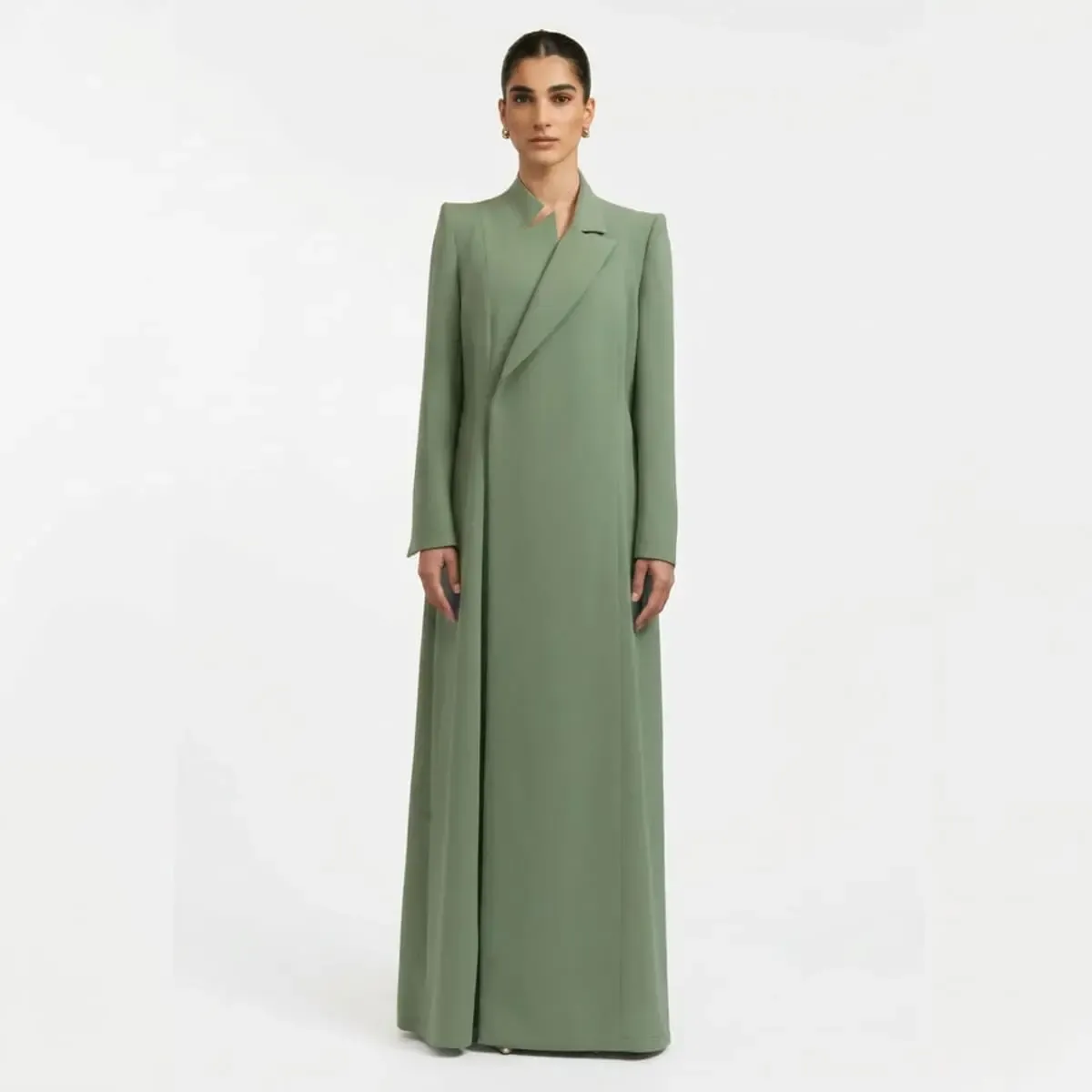
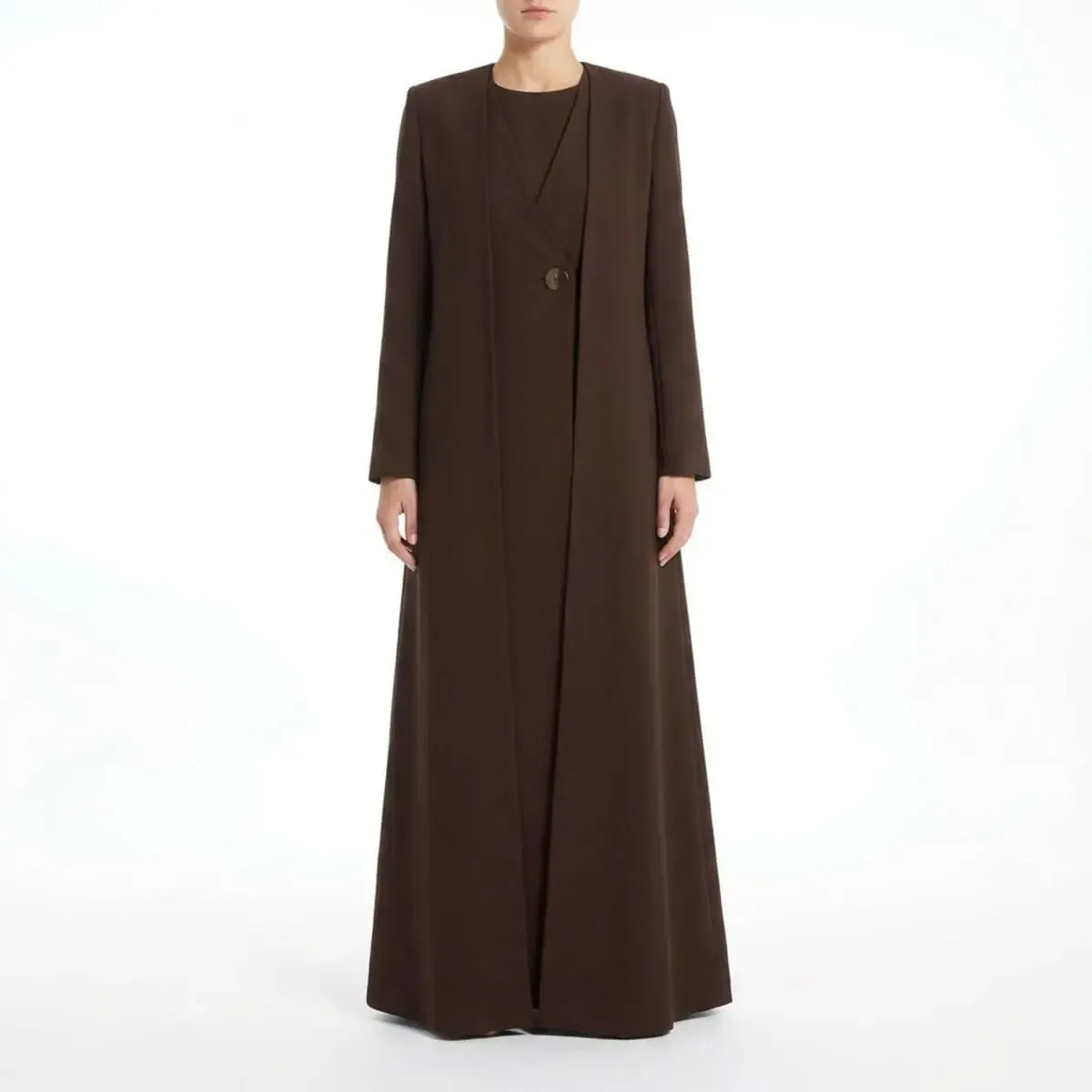
So while the term may be new, the sensibility is not. A beautifully cut abaya has long relied on the same principles now celebrated as quiet luxury: a considered silhouette, a restrained palette, materials chosen for how they move and last rather than for how loudly they announce themselves. What has changed is not the value system but the conversation — and modest fashion finally sits comfortably inside it.
A contemporary, not a costume
To design from the Gulf today is to work at an interesting intersection. On one side is a long inheritance of dressing with grace and modesty. On the other is a thoroughly contemporary, international life — architecture, travel, work and culture that are modern by any measure.
The mistake would be to treat regional identity as costume: to reach for cliché, ornament or nostalgia as shorthand. A more honest approach treats it as sensibility. It shows up in the preference for warm neutrals over noise, in the instinct for clean lines, in the comfort with silence in a design. It is present in how a garment is made rather than in any decorative motif pinned to its surface.
This is the identity LAYL designs from: contemporary and regional at once, without leaning on either as a gimmick. Designed in the UAE, the pieces are modern abayas for a modern life — modest, yes, but on entirely current terms.
What the architecture teaches
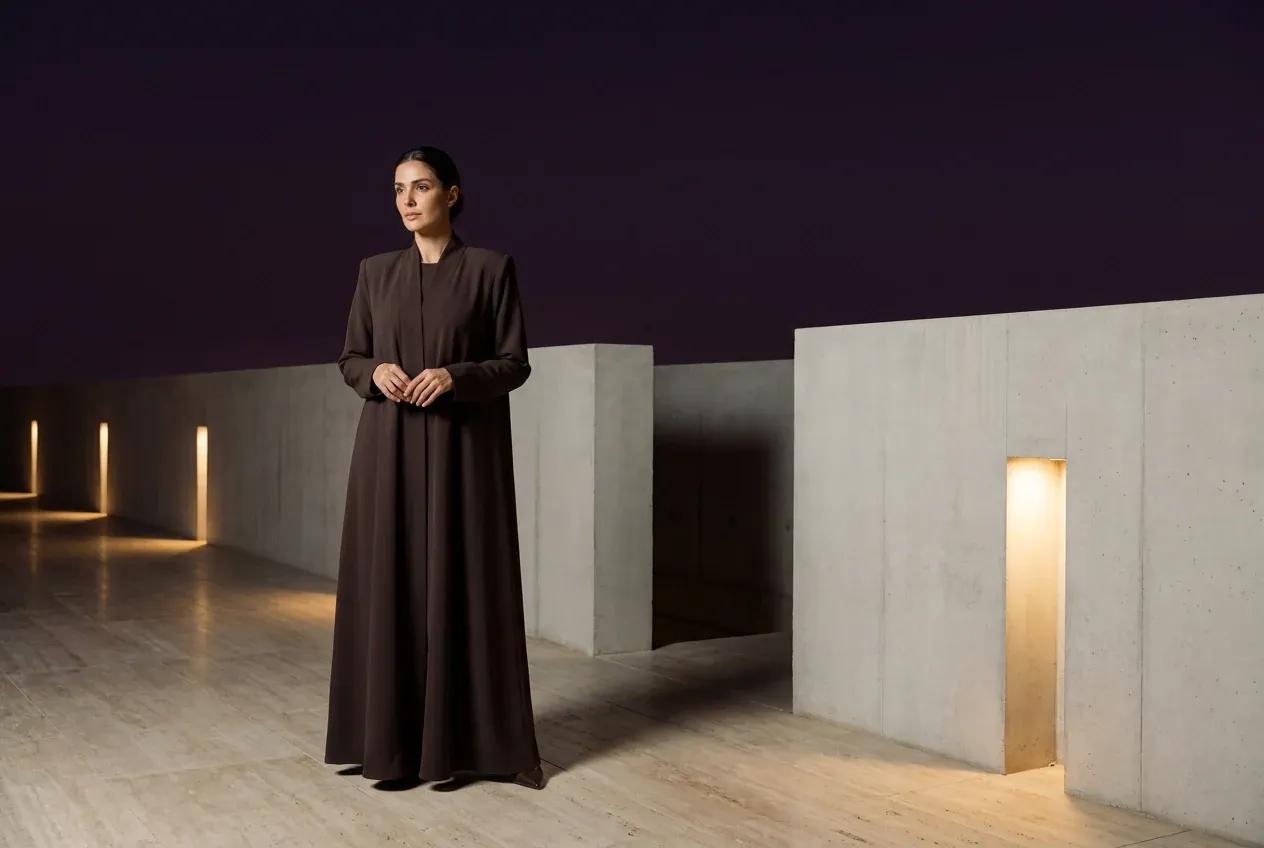
It is telling that the region’s most compelling modern statements are architectural. Across the Gulf, a contemporary language has emerged that is confident in restraint: pale stone and travertine, clean geometry, generous negative space, and light used as a material in its own right. These buildings are not quiet because they lack ambition. They are quiet because they are sure of themselves.
Clothing designed in this environment naturally absorbs its lessons. Proportion matters more than pattern. Shadow and movement do the work that embellishment does elsewhere. A garment, like a well-made room, can feel luxurious precisely because it leaves space — for the body, for the light, for the person wearing it. Architecture and abaya turn out to speak the same dialect of restraint.
Luxury without volume
Perhaps the clearest way to understand quiet luxury through a regional lens is to notice what it refuses. It refuses the logo as a substitute for quality. It refuses ornament as a substitute for cut. It refuses the idea that presence must be loud.
In its place it offers something steadier: garments that hold their value because they were never dependent on a season to make sense, and elegance that does not need to raise its voice to be felt across a room. This is luxury measured in confidence rather than volume — and it is a definition the region has understood for a very long time.
A shared language, spoken locally
None of this makes quiet luxury exclusively regional, and it should not. The pleasure of the idea is that it is legible everywhere — a woman in Dubai, London or Tokyo can recognise the same restraint and read it as elegance. What a regional lens adds is depth of fluency. Here, the language of considered dressing is not a recent import to be learned; it is a mother tongue.
To design contemporary modest fashion from the UAE, then, is not to translate an outside trend for a local audience. It is to contribute a long-held sensibility to a global conversation that has finally caught up to it — quietly, and with the confidence of somewhere that never needed the word to understand the idea.
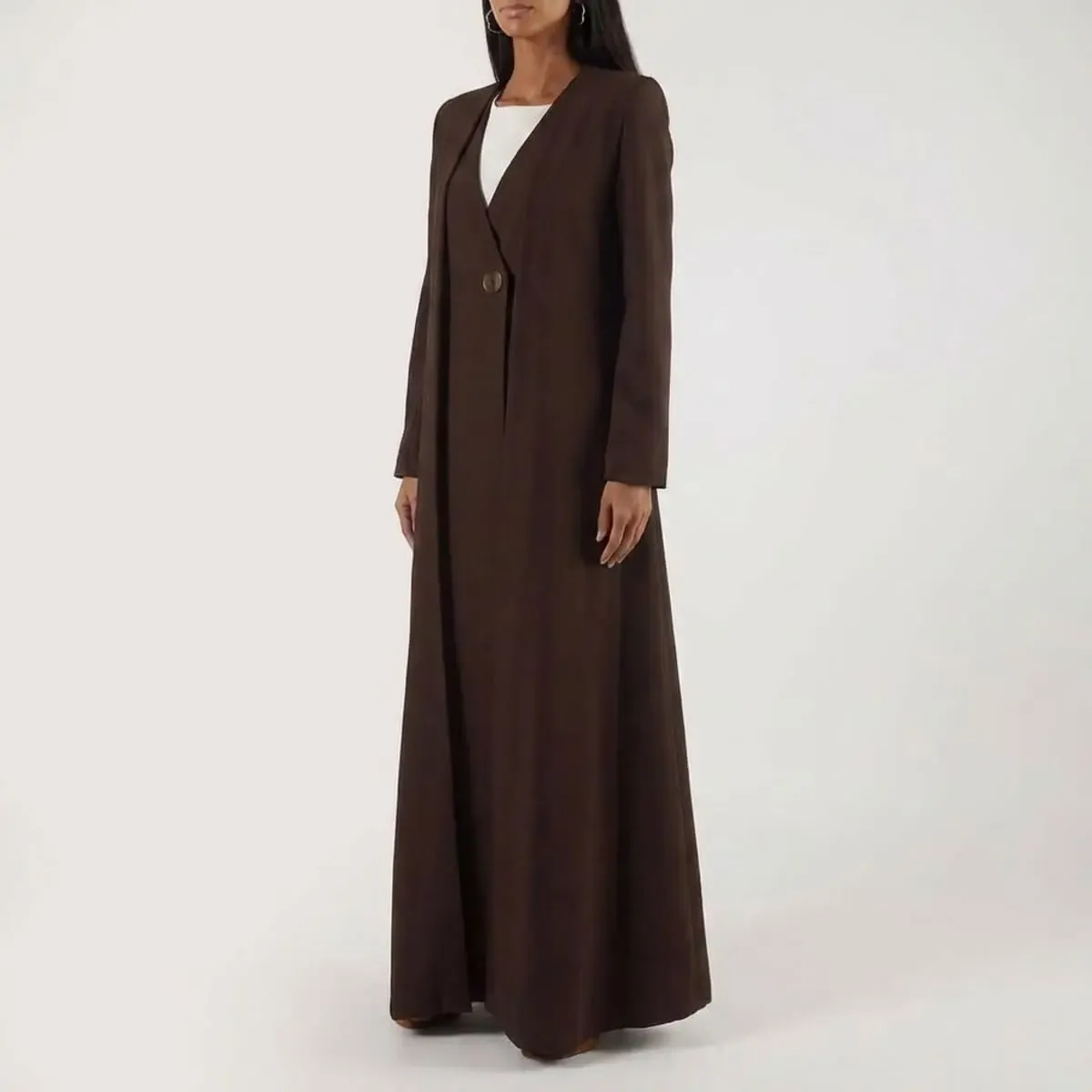
Pieces from this story
 Design
 The Architecture of an Abaya
An abaya is a study in structure. A closer look at how proportion, line and movement — not embellishment — shape a truly considered silhouette.
Read article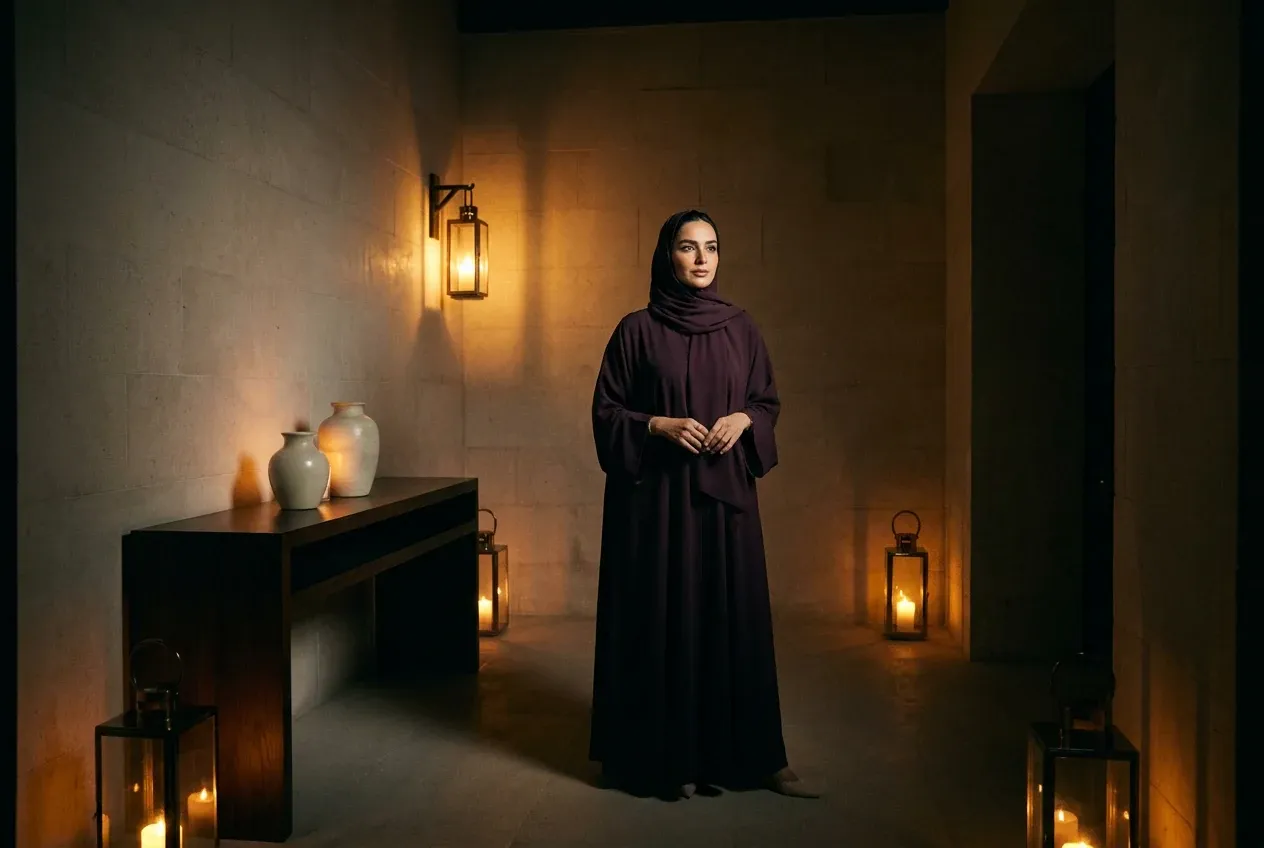 Culture
 Dressing for Ramadan Evenings with Ease and Elegance
The evenings of Ramadan ask for clothing that carries you gracefully from iftar to late gatherings. A guide to dressing with calm, comfort and quiet elegance.
Read article