

Style
Day to Evening: Styling One Abaya, Two Ways
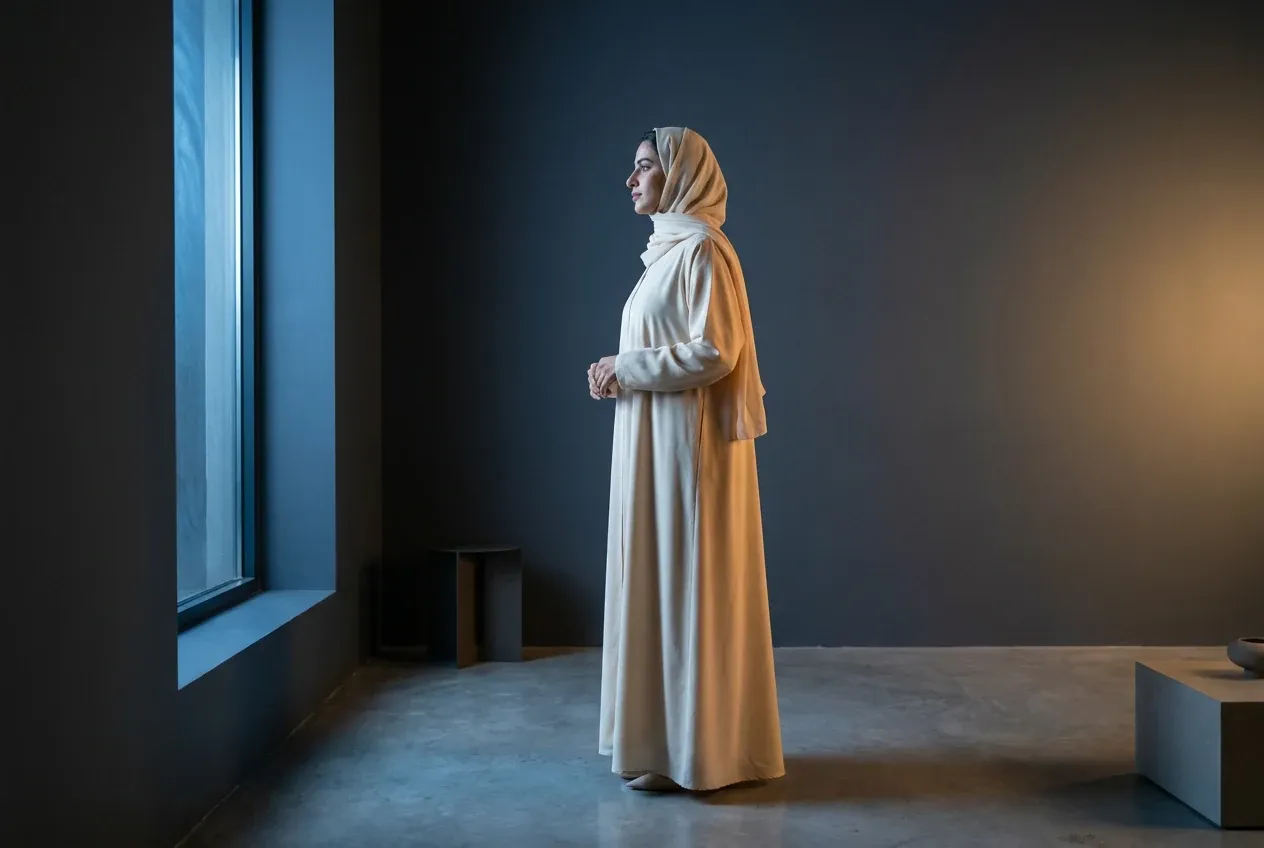
Versatility is the quiet measure of a well-made garment. A piece that only works for one setting asks a great deal of your wardrobe and your budget; a piece that moves easily from a daytime meeting to an evening gathering does the opposite. The good news is that this kind of range rarely comes from the abaya changing. It comes from you changing very little, but changing it deliberately.
Think of it as two versions of the same idea. The garment stays constant. The styling shifts.
Begin with a piece that has range
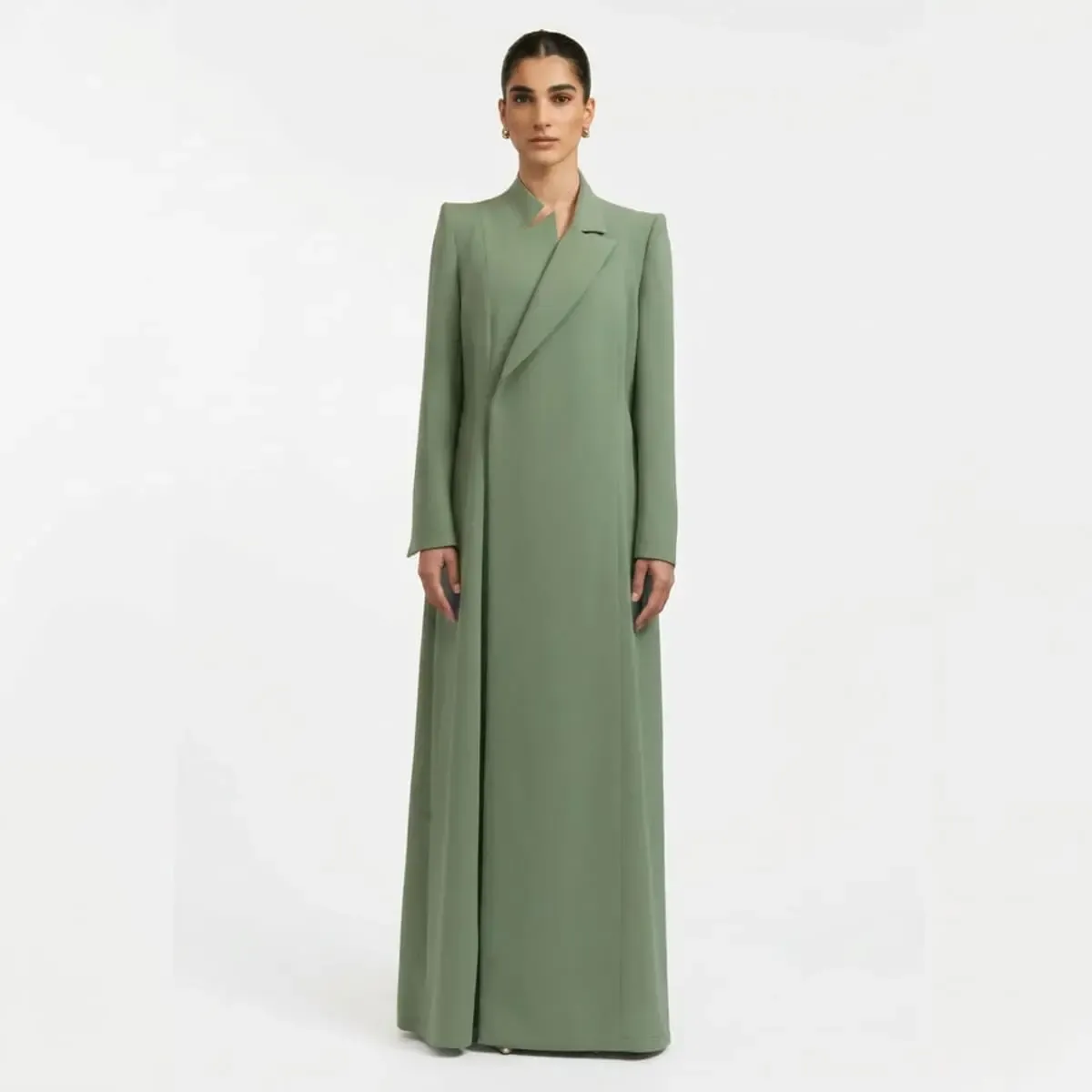
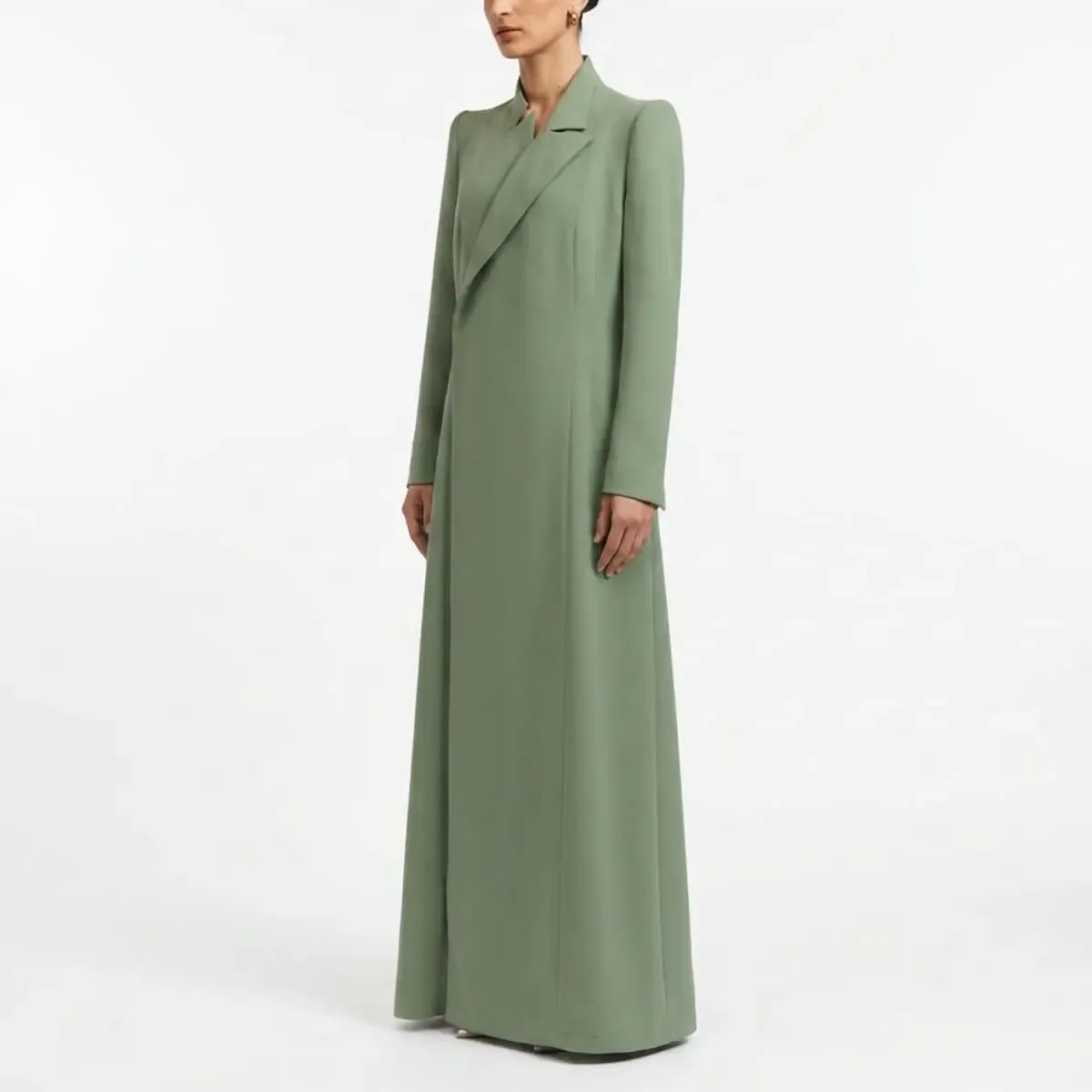
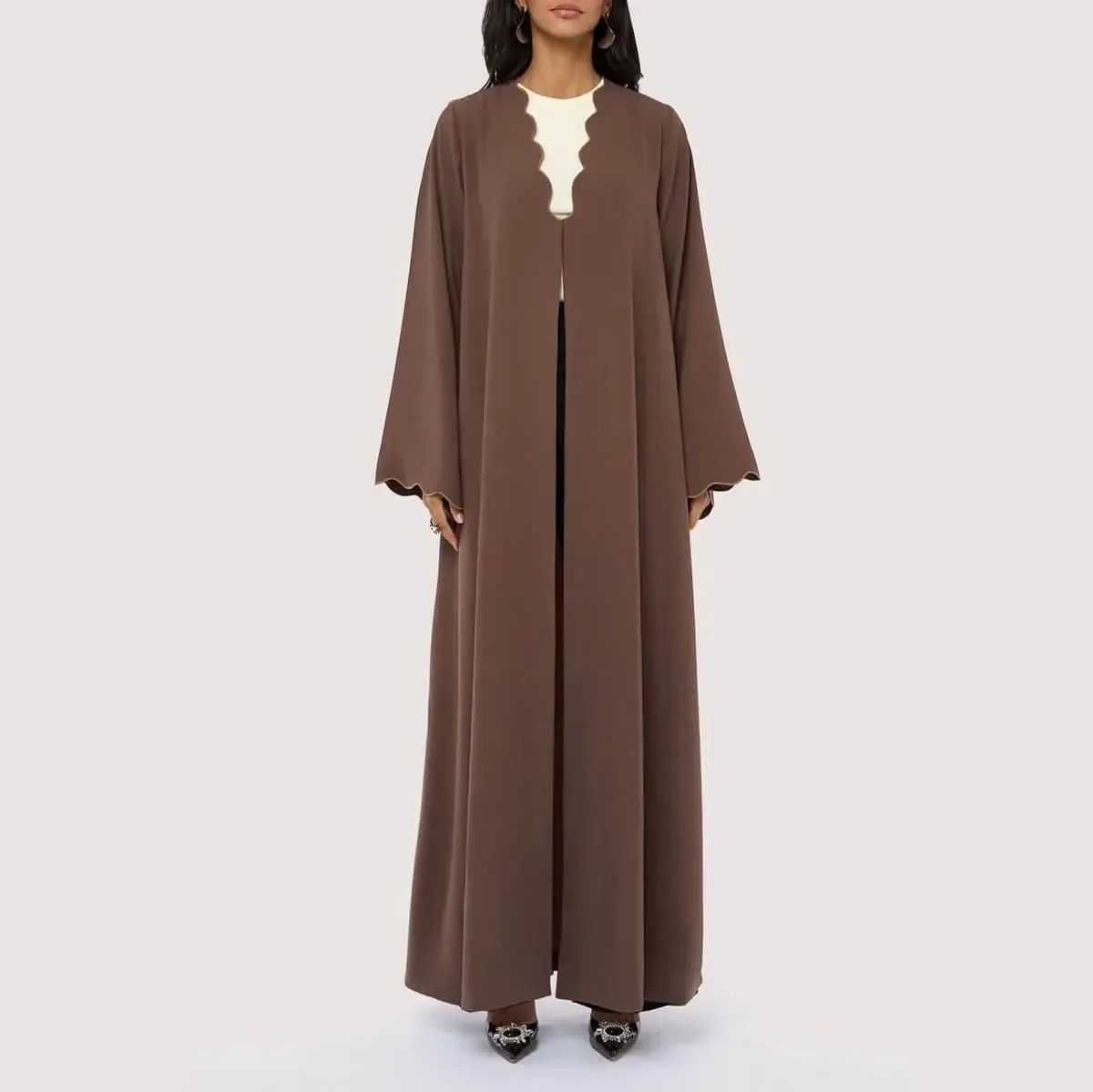
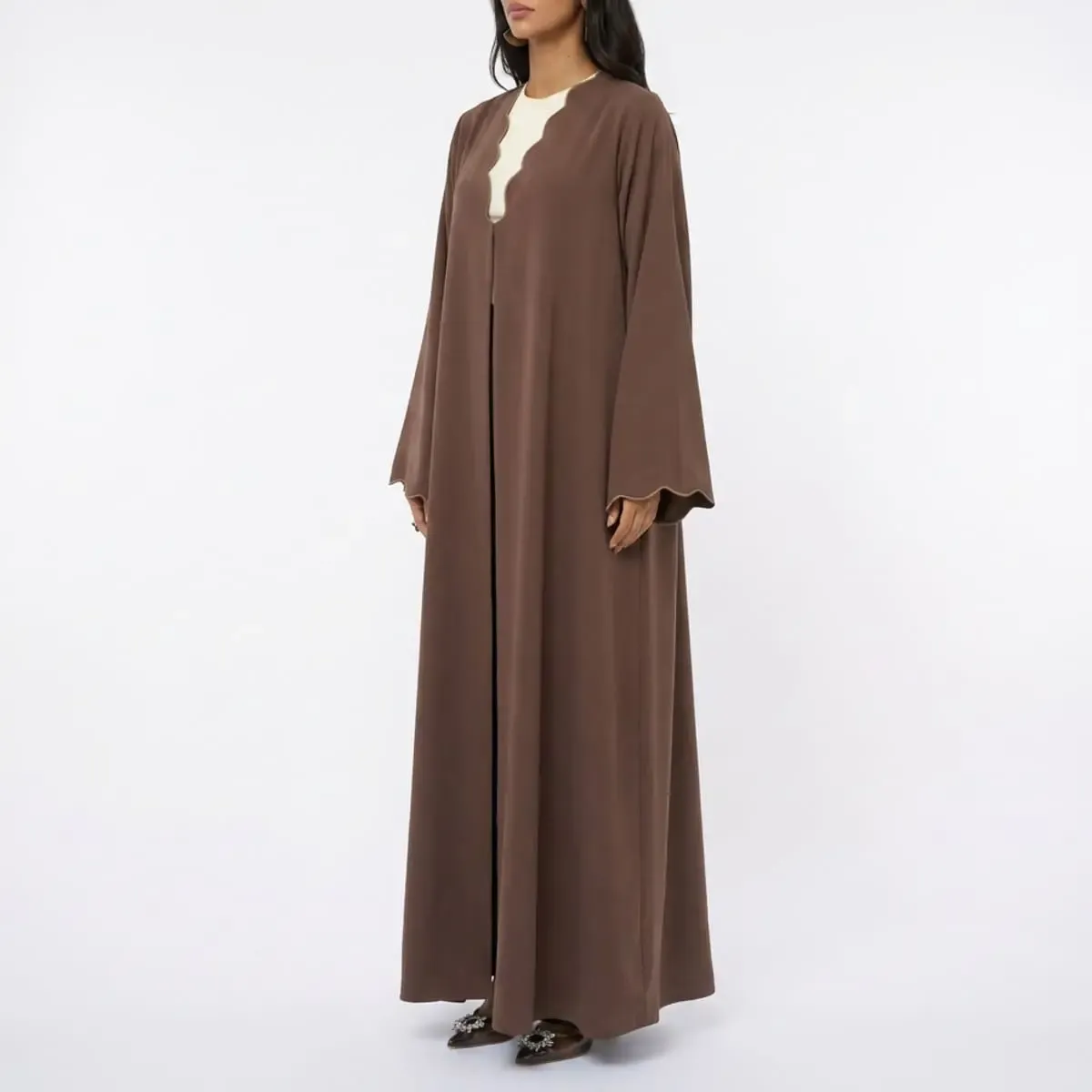
Not every abaya wants to travel. The ones that do tend to share a few traits: a clean silhouette, a restrained palette and a fabric with enough polish to dress up but enough ease to dress down. A tailored column in a smooth crepe, like the Verde Tailored Abaya, is a natural shape-shifter — architectural enough for evening, calm enough for day. An open-front piece with a single distinctive detail, like the Mocha Wave Trim Abaya, offers a different kind of range, layering over an inner dress for occasions that ask for more presence.
Choose your traveller first. Everything that follows is in service of it.
The daytime version: ease, edited
Daytime dressing is about looking considered without looking effortful. The aim is quiet polish — an outfit that feels natural in soft light and holds up across a long, ordinary day.
Keep the palette tonal. Pair a light abaya with ivory or nude innerwear so the eye reads one continuous, elegant line. Choose flat or low footwear in a neutral leather; the point is comfort that still looks intentional. Keep jewellery minimal — a fine gold piece, nothing more — and carry a structured bag with clean lines rather than hardware. Hair and finish stay soft and undone.
The overall effect should be that nothing is trying too hard. Daytime elegance is largely a matter of subtraction: the fewer competing elements, the more the garment’s own line can speak.
The evening version: the same piece, elevated
Evening does not require a different abaya. It requires a shift in register — a handful of changes that move the outfit from easy to composed.
Start with contrast. Where daytime wanted tonal calm, evening can take a considered accent: a metallic heel, a deeper lip, a single striking earring. Change the light your accessories catch and the whole outfit changes with it. Structure helps too — swap the flat shoe for a refined heel, and the abaya’s line lengthens and sharpens. If your piece is an open-front layer, this is the moment to let the inner dress do a little more, in a richer tone or a fabric with a subtle sheen.
The discipline here is to change a few things well rather than many things at once. Two or three deliberate shifts — footwear, one piece of jewellery, a darker finish — are enough to carry a neutral abaya convincingly into evening. More than that, and you lose the very restraint that made the piece elegant to begin with.
What to change, and what to leave alone
If it helps, hold the whole approach in a single sentence: keep the garment, change the light it lives in. Daytime asks for soft, tonal, matte; evening asks for a little contrast, a little shine, a little structure. The abaya is the constant. The styling is the variable.
A short mental checklist for the evening shift: raise the shoe, add one accent that catches light, deepen the finish, and stop. Leave the silhouette, the palette foundation and the sense of ease exactly where they were. You are elevating the outfit, not rebuilding it.
Why this matters more than a bigger wardrobe
There is a real economy to dressing this way, and a real elegance. Economically, a piece that works twice is worth more than two pieces that each work once. It earns its place, travels well and simplifies the daily decision of what to wear.
The elegance is subtler. A woman who can take one considered abaya from morning to evening projects a particular kind of confidence — the sense that she understands her own style well enough not to need a costume change for every occasion. That fluency is quiet luxury in practice: not more clothing, but more command of the clothing you have.
Choose a piece with range. Learn its two versions. Then let a few small, deliberate changes do the work that a whole second outfit never could.
Pieces from this story
 Style
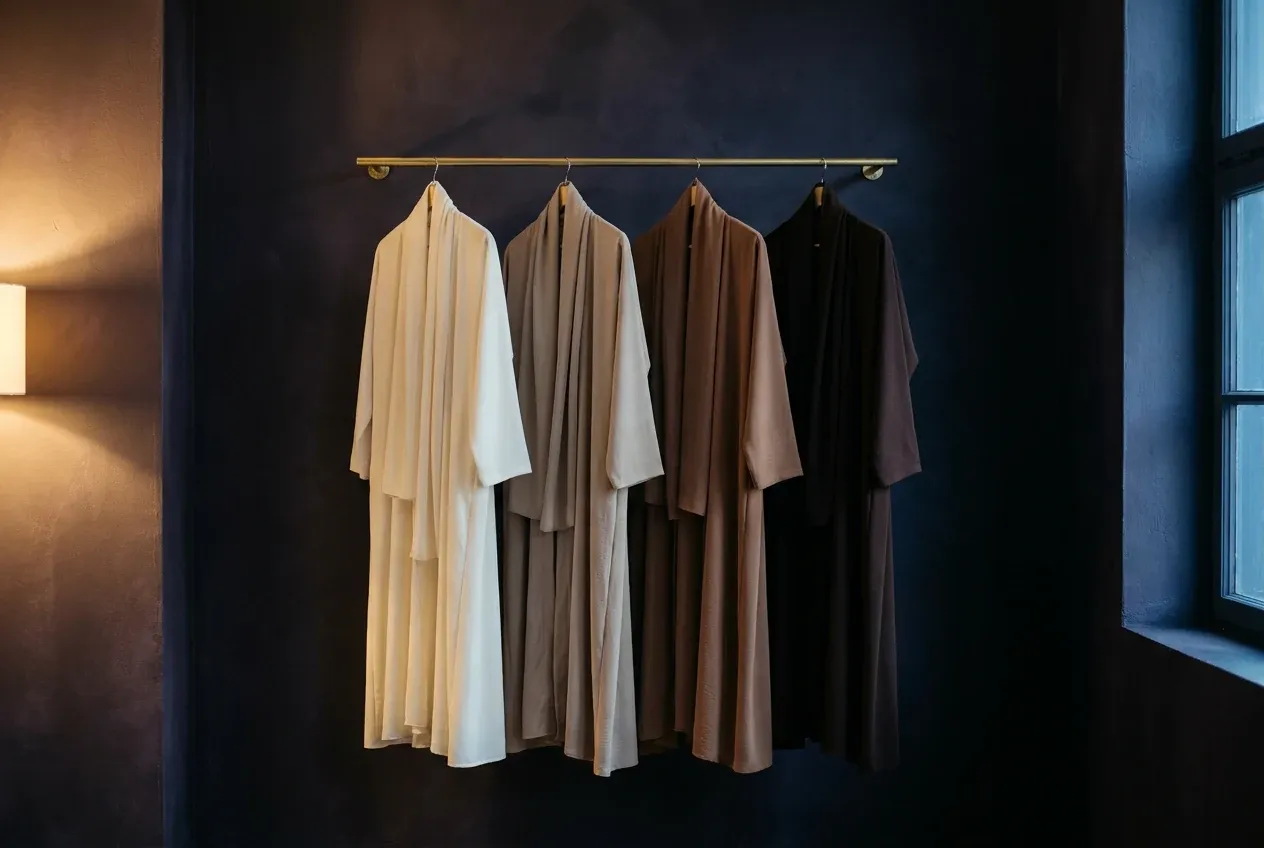
Style How to Build a Refined Abaya Wardrobe
A considered wardrobe is not a large one. A practical guide to building a small collection of neutral abayas that works harder than a closet full of pieces.
Read article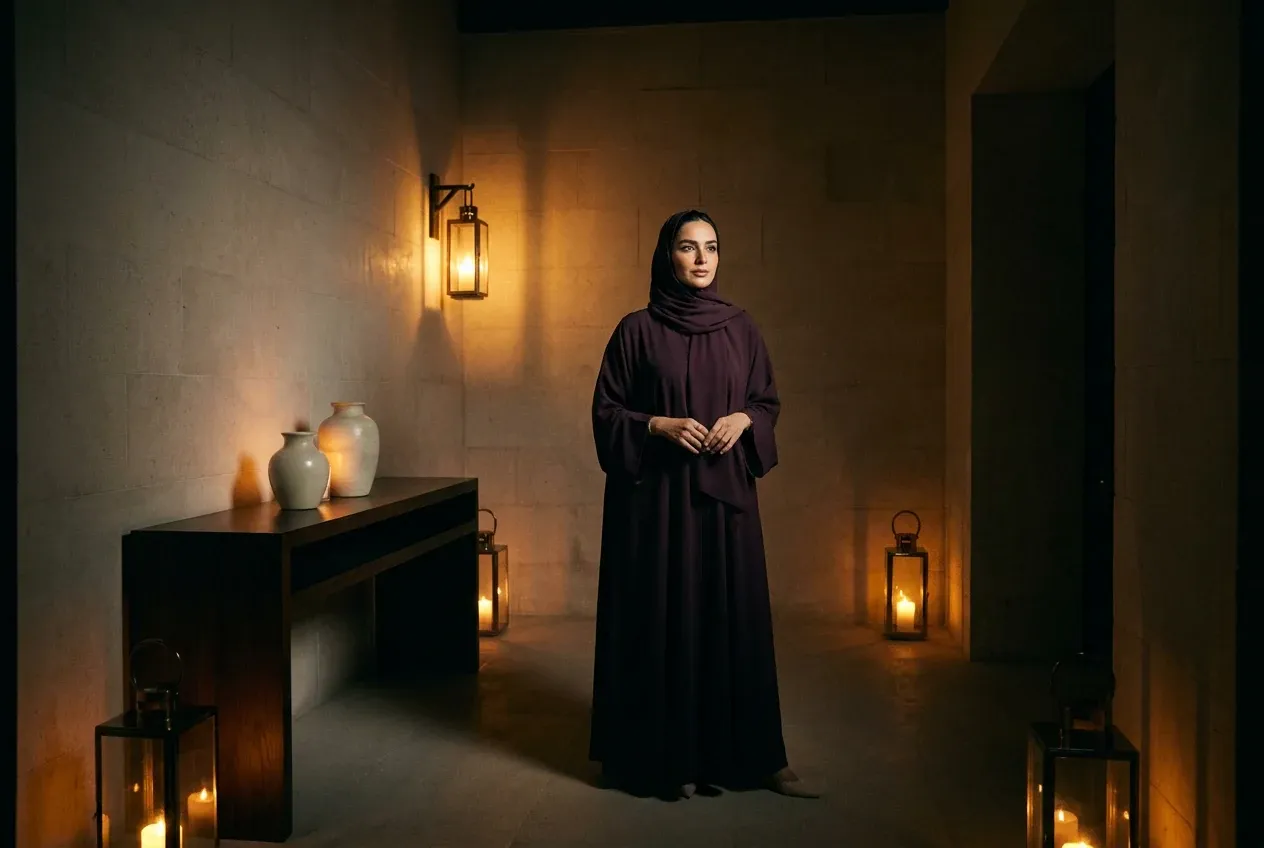 Culture
 Dressing for Ramadan Evenings with Ease and Elegance
The evenings of Ramadan ask for clothing that carries you gracefully from iftar to late gatherings. A guide to dressing with calm, comfort and quiet elegance.
Read article