

Culture
Dressing for Ramadan Evenings with Ease and Elegance
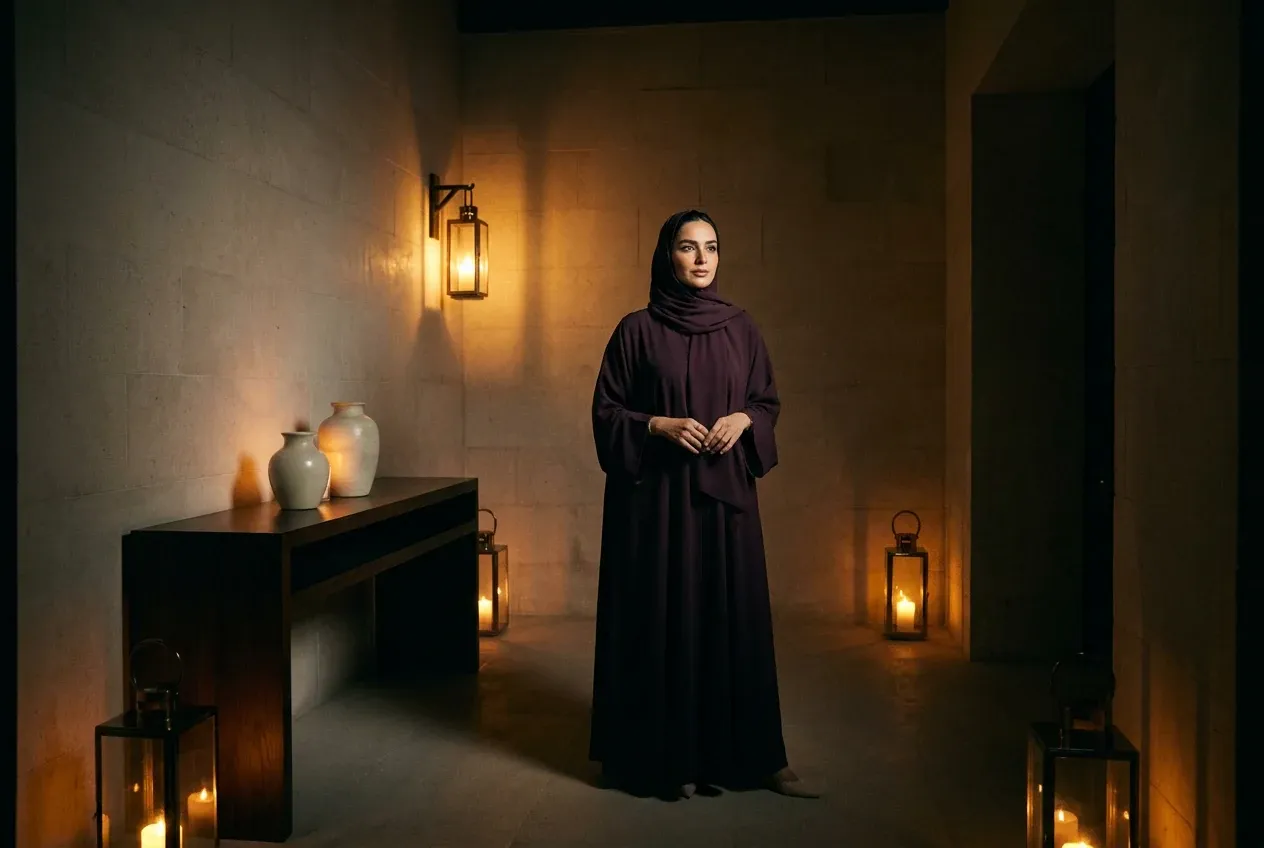
Ramadan changes the shape of a day. The hours slow, then gather in the evening — iftar with family, prayer, visits that stretch late into the night. Dressing for this rhythm is its own gentle discipline. The clothes need to carry you across several settings in one evening, hold up through long hours, and, throughout, project a sense of calm rather than effort. Elegance, here, is inseparable from ease.
Dress for a long evening, not a single moment
The first shift in thinking is temporal. An outfit for a Ramadan evening is rarely worn for an hour; it is worn from the breaking of the fast through hours of company. That changes what “the right piece” means. Comfort stops being a compromise and becomes a requirement — but comfort that still looks composed.
This is where a considered abaya earns its place. A full-length silhouette in a lightweight, breathable fabric moves with you through sitting, standing, greeting and gathering without strain. A relaxed, tailored fit gives room to be at ease at the table while keeping a clean line when you rise. You are dressing for endurance as much as for the entrance.
Let fabric carry the comfort
In the warmth of long evenings, fabric does much of the quiet work. Lightweight crepe and linen-look weaves breathe and drape softly, which matters over hours indoors and among company. They also resist the crushed, end-of-night look that undoes a careful outfit — a garment that still falls cleanly late in the evening is worth far more than one that looked sharp only on arrival.
Choose an unlined, lightweight construction where you can. It keeps a full-length piece feeling effortless rather than heavy, and lets you move between a warm gathering and a cool night without discomfort.
Tones for the evening light
Ramadan evenings live under warm, low light — lamplight, candle-glow, the amber of a room after sunset. Deep, warm neutrals belong naturally in that setting. An espresso or mocha abaya reads rich and quietly formal against warm light, while softer tones like blush and ivory feel gentle and serene for calmer, at-home evenings.
There is no need for high contrast or shine to feel dressed. A deep-toned, well-cut abaya carries more than enough presence for an evening of gathering; its authority comes from colour and line rather than embellishment. If you want a single point of interest, let it be structural — a distinctive neckline, a wave-edge trim, a single considered button — rather than added ornament.
One piece, several rooms
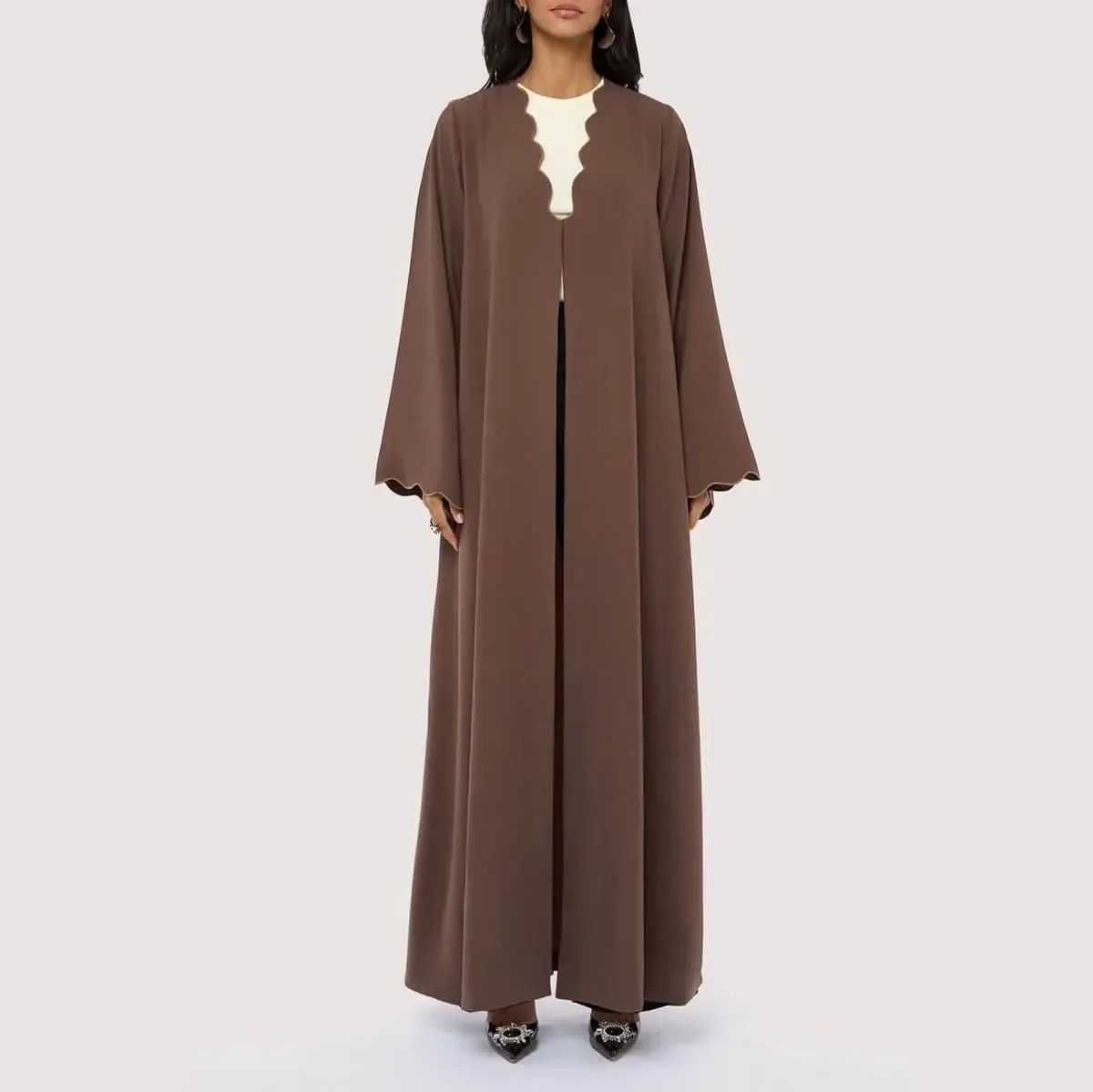
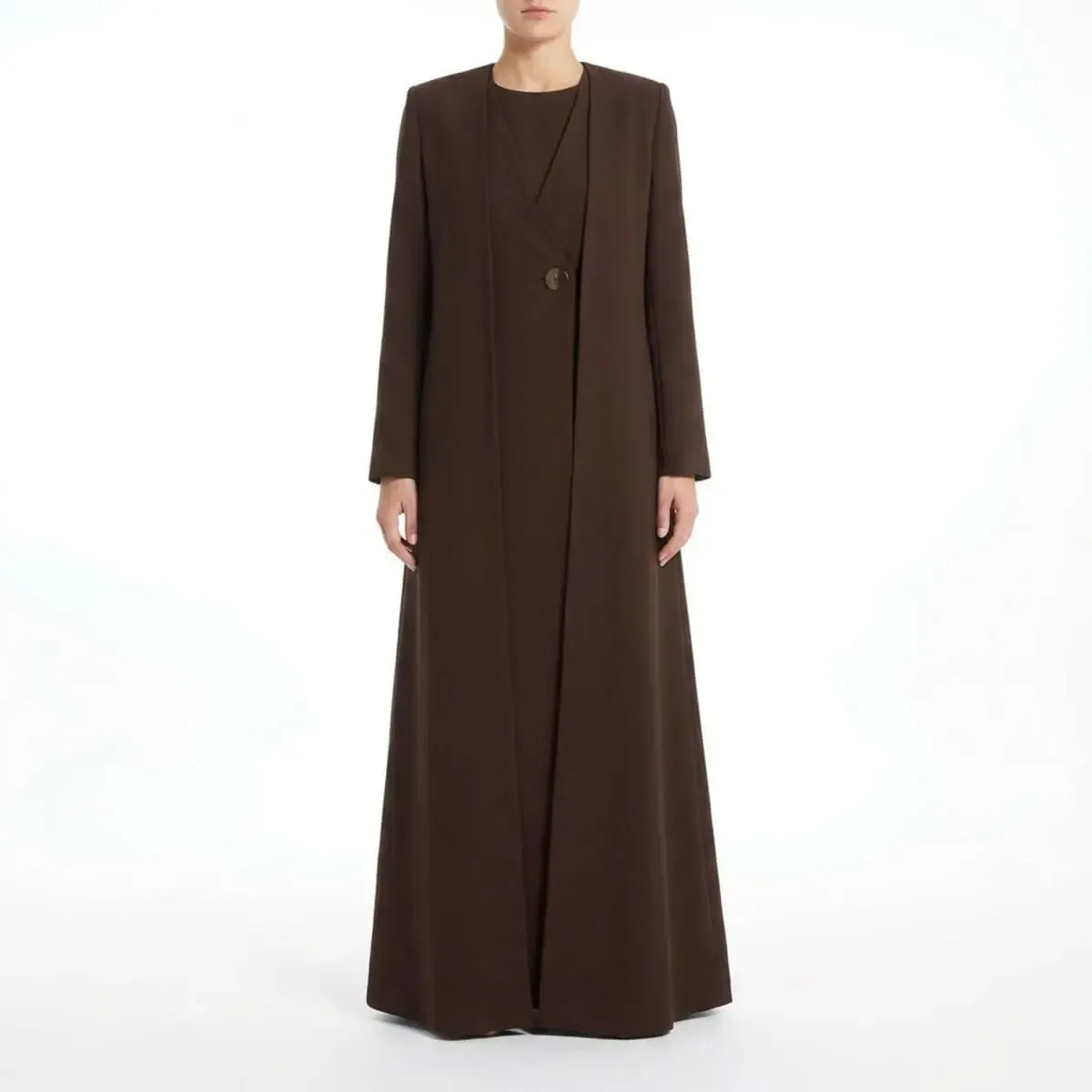
A practical way to approach the season is to build around a small number of pieces that move easily between settings, then vary them lightly night to night. The Mocha Wave Trim Abaya, with its open front over an inner dress, adjusts gracefully across a long evening and offers a distinctive line without excess. The Espresso Tailored Abaya brings a quiet formality that suits gatherings where you want a little more composure. Neither asks to be the loudest thing in the room, which is exactly why both work across so many of them.
Rotate innerwear and a single accessory rather than the whole outfit, and a couple of pieces will carry you comfortably through weeks of evenings — always appropriate, never repetitive, and never a production to get dressed.
Dressing for the shift in setting
A single Ramadan evening often moves through several settings, and the most useful pieces are the ones that move with it. Iftar at home is intimate and relaxed; a later visit to family may call for a little more composure; the walk between them may be cool even when the rooms are warm. An outfit that suits all three without a change of clothes is the quiet ideal.
This is where a layer earns its keep. An open-front abaya over a simple inner dress lets you adjust presence and warmth as the evening changes — worn softly for the table, drawn a touch more deliberately for company, welcome again when the night air cools. A tonal palette helps here too: when everything you are wearing sits within the same warm neutral range, small adjustments read as intentional rather than as a different outfit. You are not restyling through the evening so much as letting one considered look breathe across it.
Plan for the whole arc of the night rather than its first hour, and the clothing stops being something you manage and becomes something you simply wear.
The elegance of calm
There is a particular grace to someone who looks entirely at ease across a long evening — unhurried, unbothered by her clothing, present with the people around her. That ease is the real objective of Ramadan dressing. It is not achieved by dressing up harder; it is achieved by choosing pieces that let you forget what you are wearing.
Dress for comfort and let elegance follow from it. Choose lightweight, breathable fabrics, warm and forgiving tones, and clean silhouettes that hold their line late into the night. Do that, and the clothes recede — leaving room for the part of the evening that matters, which was never the outfit at all.
Pieces from this story
 New
New 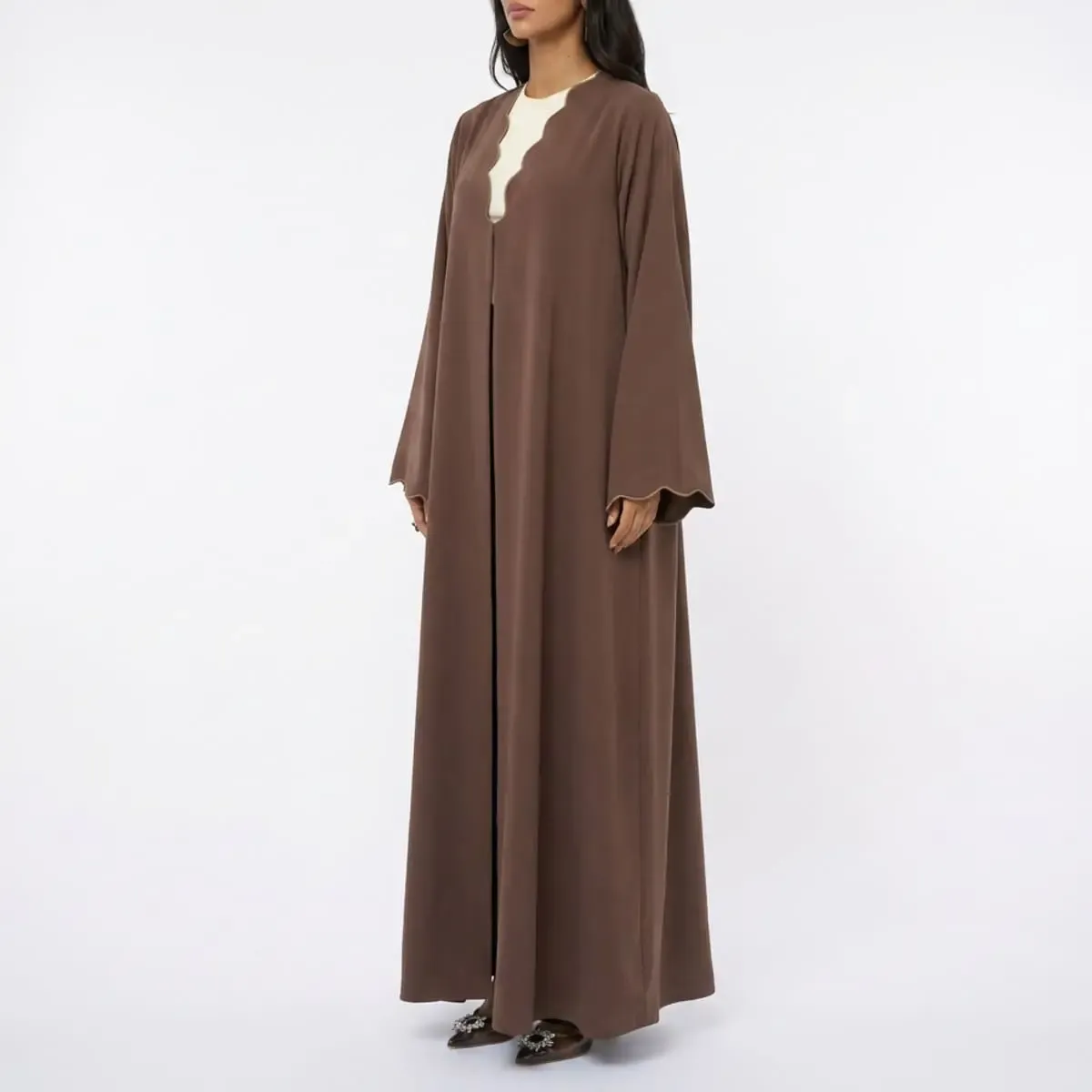
New
Mocha Wave Trim Abaya
AED 1,690
 New
New 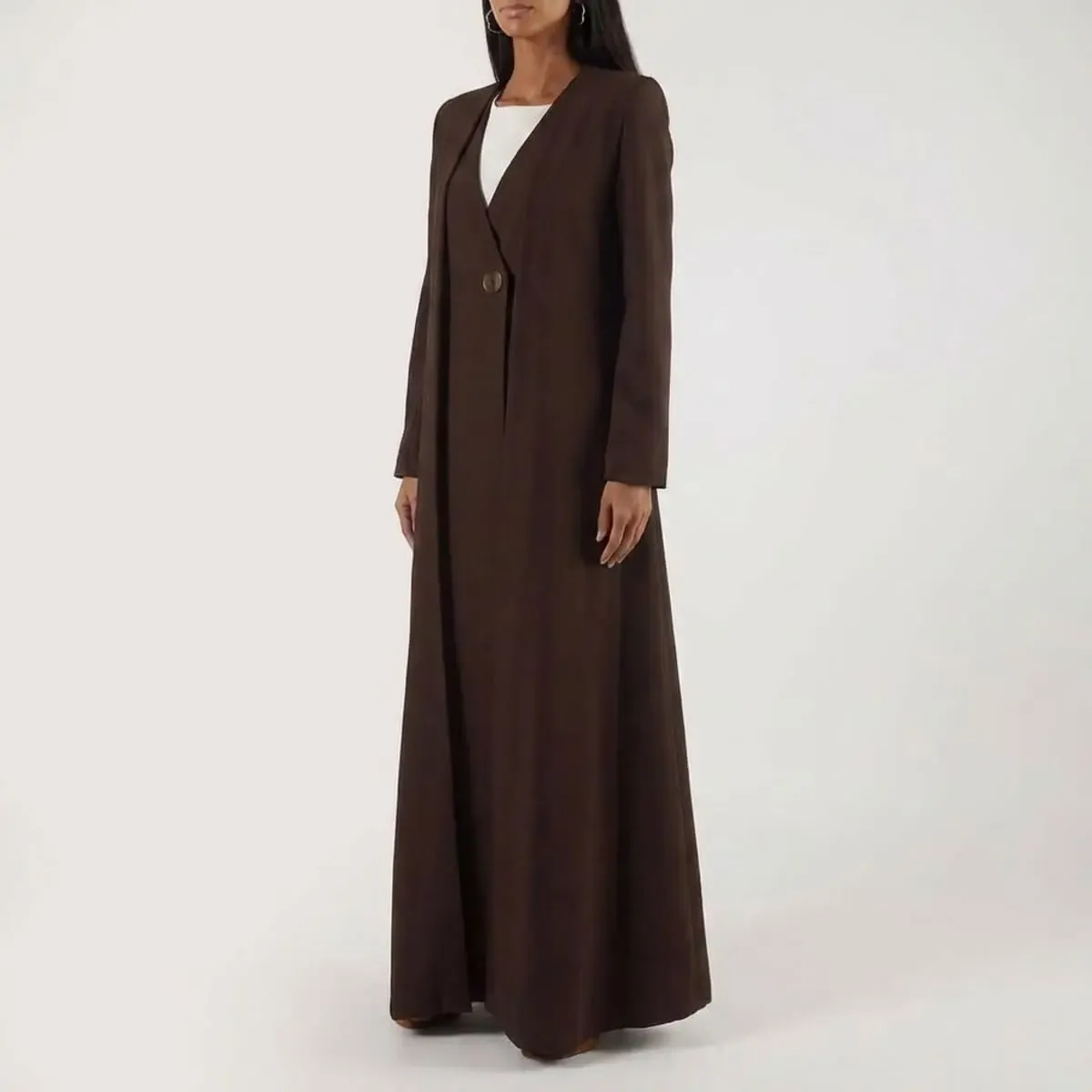
New
Espresso Tailored Abaya
AED 1,790
 Style
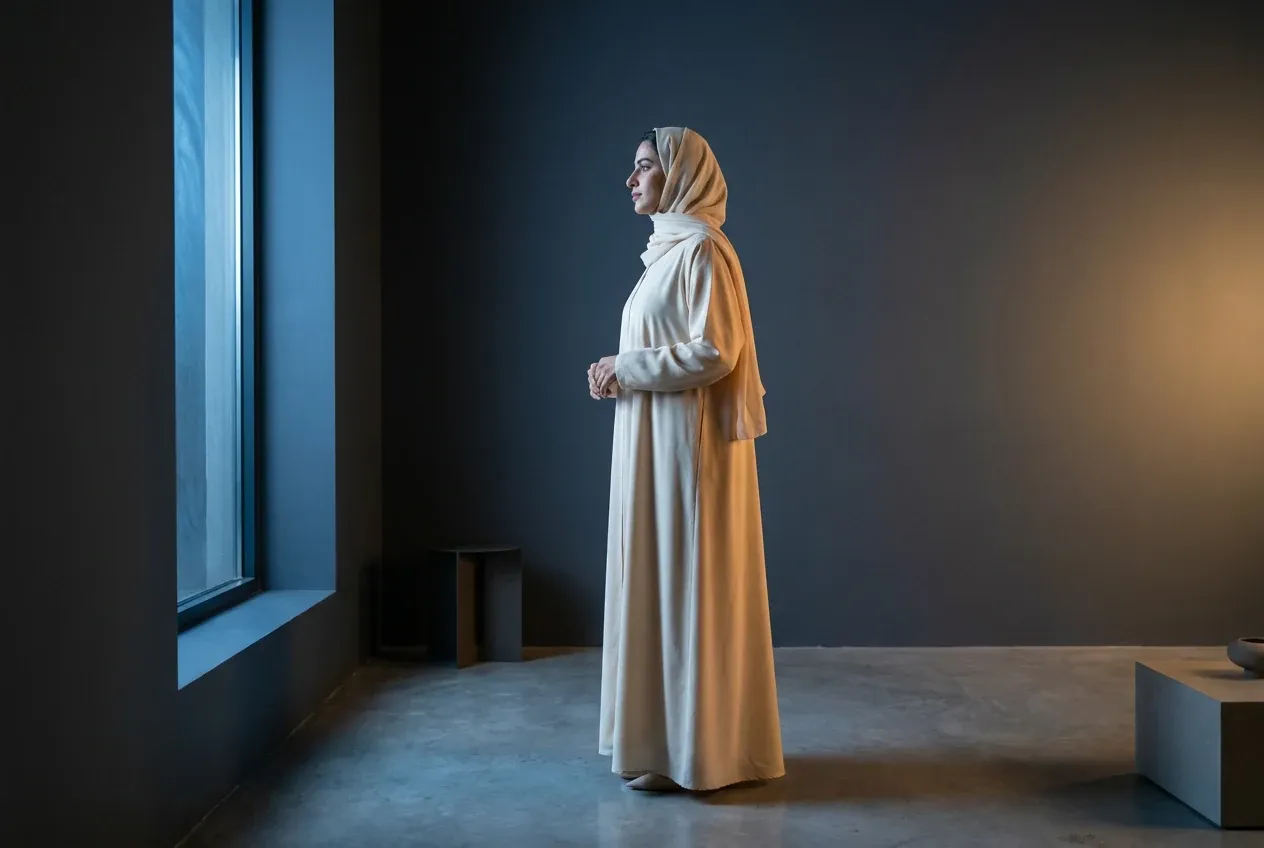
Style Day to Evening: Styling One Abaya, Two Ways
The most versatile piece in a wardrobe is the one that travels between occasions. How to take a single neutral abaya from daylight to evening with small, deliberate shifts.
Read article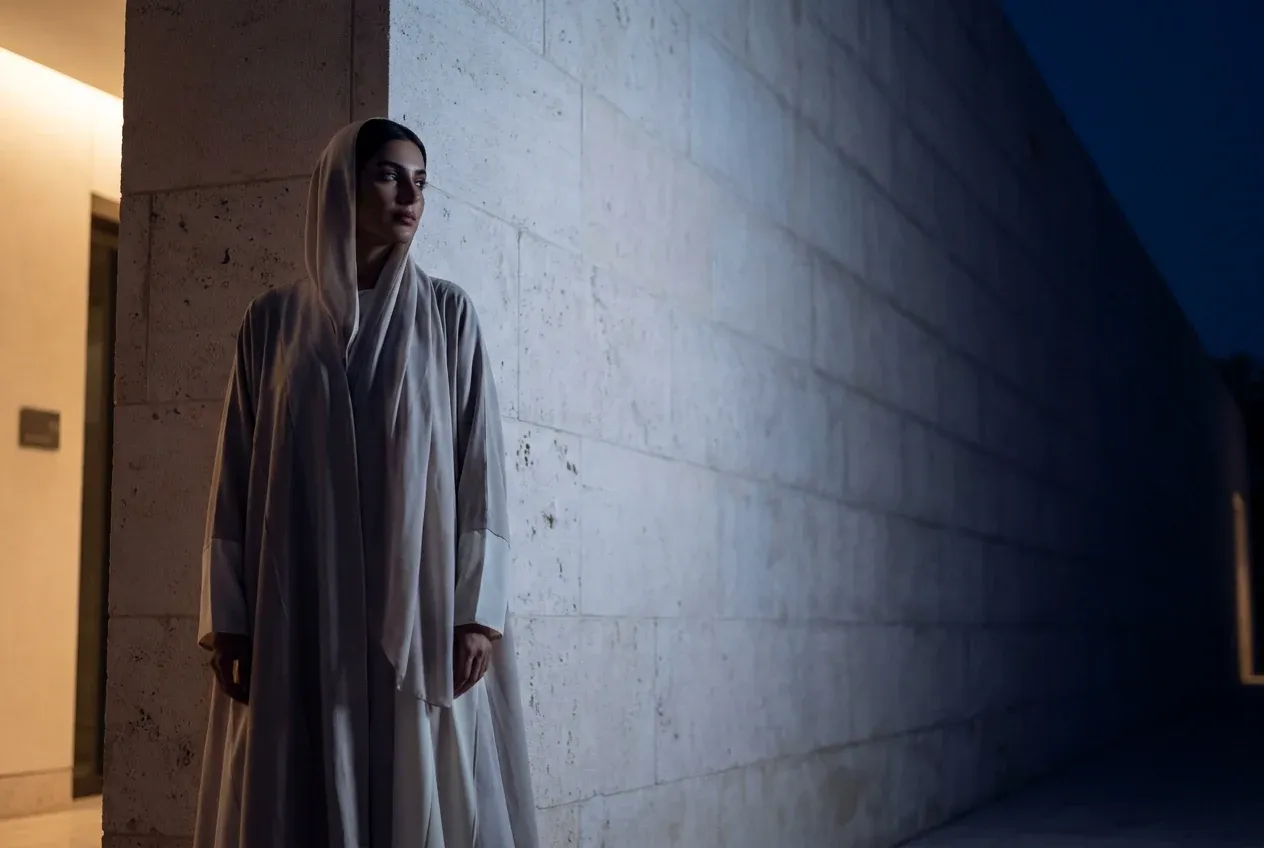 Culture
 Quiet Luxury Through a Regional Lens
Quiet luxury is often described as a European idea. Seen from the Gulf, it looks a little different — and, in some ways, entirely familiar.
Read article