

Care
Caring for Premium Crepe and Linen-Look Fabrics
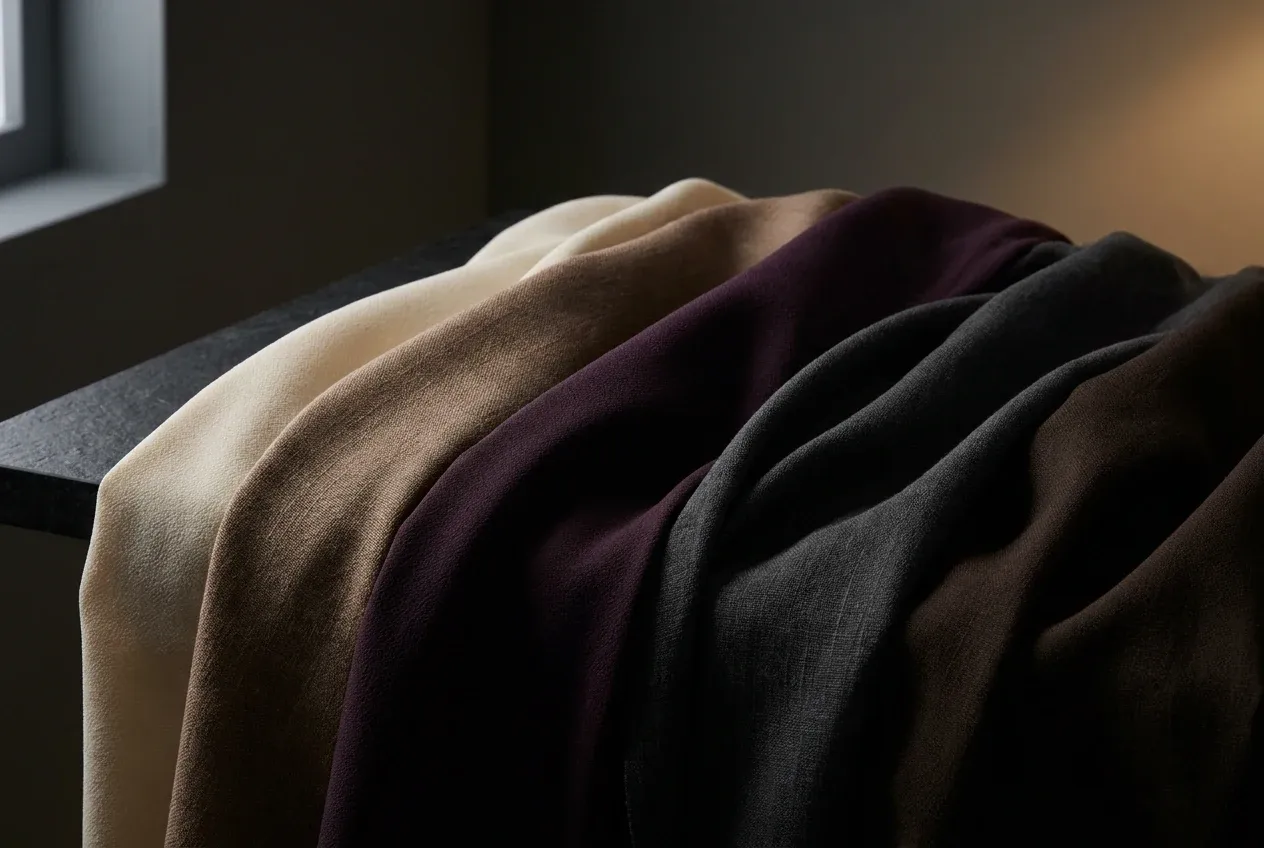
A well-made abaya is designed to be worn for years, not seasons — but longevity is a partnership. The garment is built to last; how it is cared for decides whether it does. The good news is that caring for premium crepe and linen-look fabrics asks for attention rather than effort. A few consistent habits will keep a piece looking composed long after it was bought.
Below is a straightforward guide, grounded in the way these fabrics actually behave.
Know what you are caring for
Most LAYL pieces are made from a premium matte crepe or a linen-look weave. Both are chosen for how they move and hold a line, and both reward gentle handling.
Crepe has a smooth, matte surface and a slight structure that helps it fall cleanly. It resists creasing reasonably well but can hold a sharp fold if left compressed. A linen-look weave has a softer, more natural, tactile finish; it drapes beautifully but relaxes and creases more readily, which is part of its character rather than a flaw. Understanding this difference is most of what you need: treat crepe to preserve its clean line, and treat a linen-look weave to keep its relaxed softness looking intentional.
Cleaning: less, and gently
The single most useful principle is to clean less often and more carefully. Full-length garments rarely need frequent cleaning, and over-washing is one of the fastest ways to tire a fabric.
For premium crepe and linen-look pieces, dry cleaning is the recommended route, ideally with a cleaner experienced in delicate garments. Between cleans, deal with any small mark promptly and locally rather than treating the whole piece — blot, never rub, and avoid harsh spot removers. And whatever the fabric, do not bleach: it damages fibres and disturbs the even, warm tones these pieces depend on.
Steaming, not pressing
To refresh a garment between wears, reach for steam before an iron. A light steam relaxes creases, revives drape and lets a full-length piece fall back into its natural line — all without the risk that direct heat brings.
If you do need to iron, keep the temperature low and, ideally, place a cloth between the iron and the fabric. High, direct heat can flatten the matte finish of crepe and leave shine, and can scorch a delicate weave. As a rule: steam to refresh, iron only when necessary, and always on the gentlest setting the fabric allows.
Storage that protects the line
Much of a garment’s longevity is decided not while it is worn but while it hangs. A full-length abaya carries weight, and how that weight is supported over months matters.
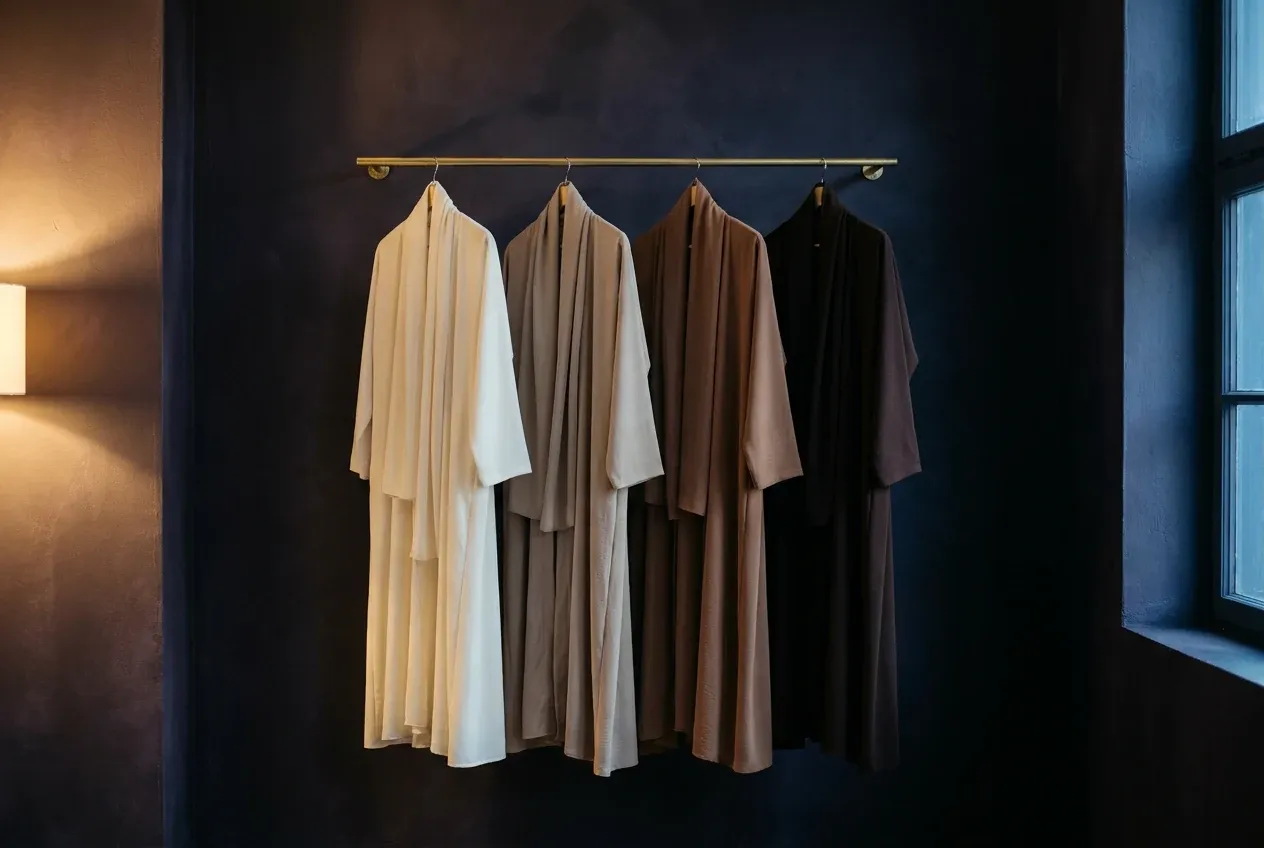
Hang each piece on a wide, structured hanger so the shoulders keep their shape and the fabric is not distorted by a thin wire edge. Give pieces a little room on the rail; crowding presses in creases and prevents fabric from settling. Keep them out of prolonged direct sunlight, which fades even the most stable tones over time — an interior wardrobe or a garment bag is ideal for pieces worn less often. Stored this way, a garment stays ready to wear, its line intact.
Small habits, long life
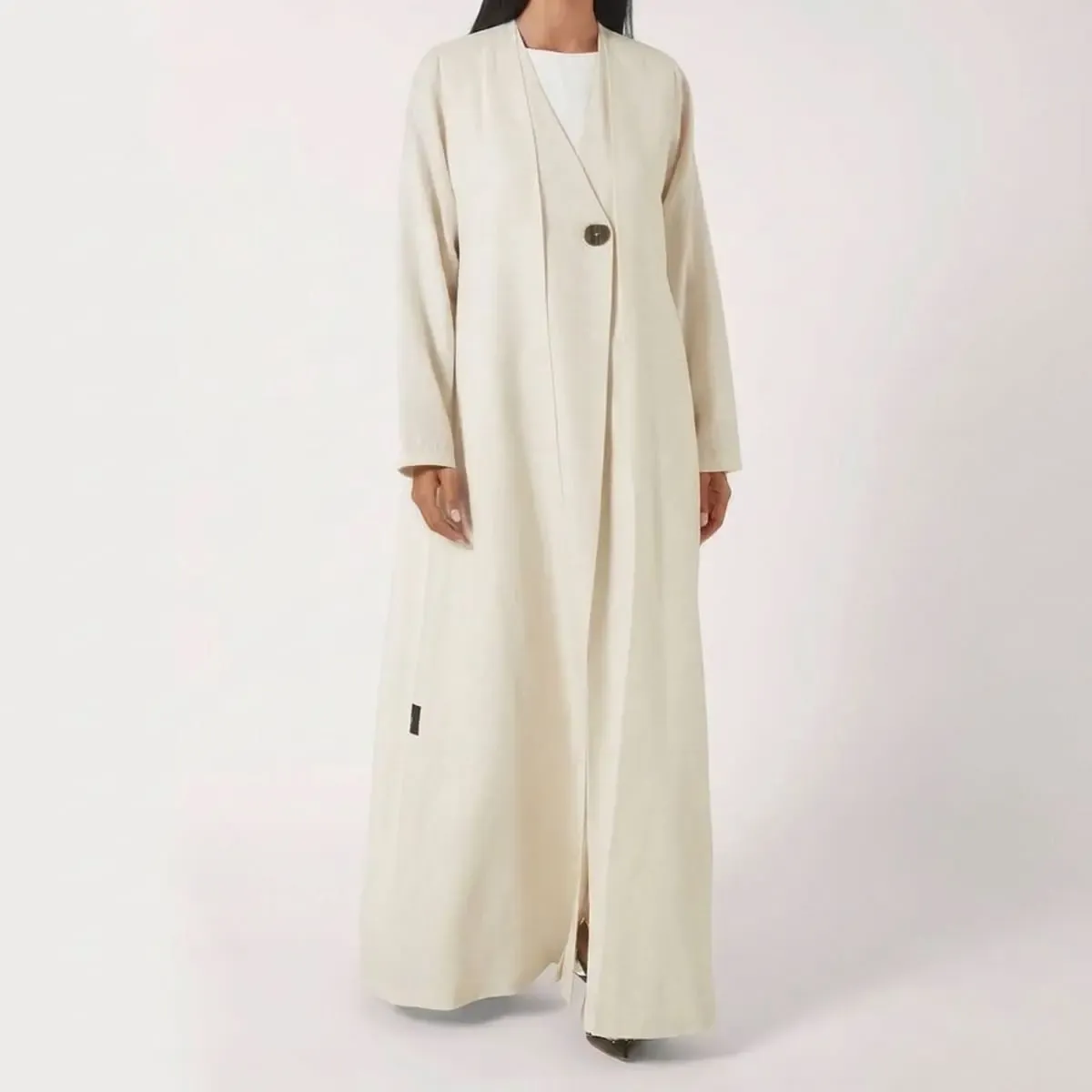
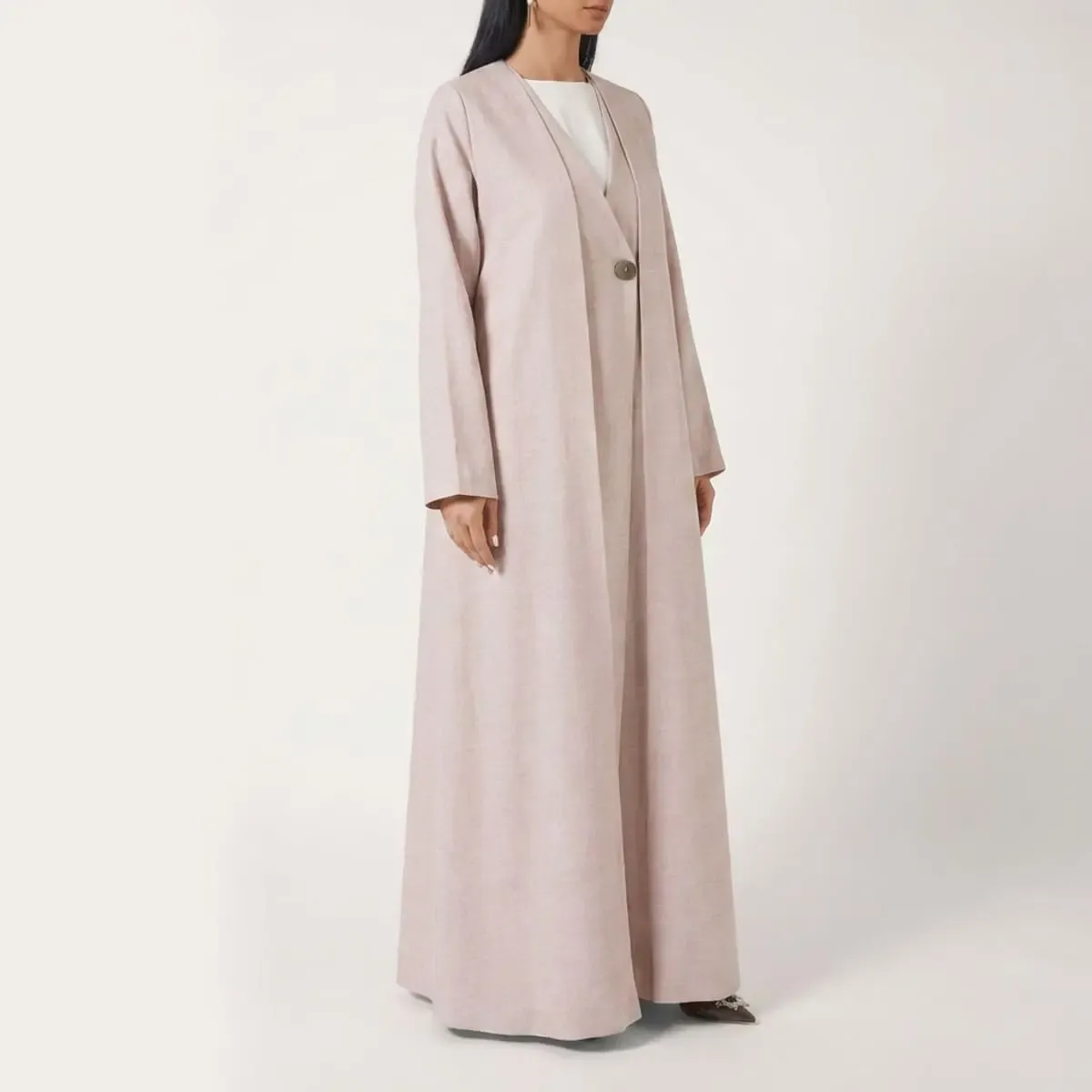
The everyday details add up. Let a piece air briefly after wear before returning it to the wardrobe, so it is fully dry. Handle closures and any single button gently, since on a minimal garment that one detail is doing visible work. Address a loose thread early rather than pulling it. None of this is demanding; it is simply attention, applied consistently.
A short version, if you want one to remember: clean rarely and gently, never bleach, steam to refresh, iron low if at all, hang on a wide hanger with room to breathe, and keep pieces out of direct sun.
Care as part of the value
There is a quiet logic to all of this that goes beyond maintenance. A considered wardrobe is built on a small number of pieces worn often — and that model only works if the pieces endure. Care is what makes a restrained wardrobe sustainable, both practically and financially. A garment looked after for years is a garment that keeps earning its place.
So treat care not as a chore attached to a purchase, but as part of the same philosophy that shaped the garment: attention over excess, longevity over novelty. Look after a well-made abaya, and it will look after the way you dress for a very long time.
Pieces from this story
 Style
Style How to Build a Refined Abaya Wardrobe
A considered wardrobe is not a large one. A practical guide to building a small collection of neutral abayas that works harder than a closet full of pieces.
Read article Design
 The Architecture of an Abaya
An abaya is a study in structure. A closer look at how proportion, line and movement — not embellishment — shape a truly considered silhouette.
Read article